

Lower Big Quilcene Restoration Project
The Lower Big Quilcene project is large scale, transformative restoration project on the Lower Big Quilcene River that is in the process of restoring the critical salmon habitat that once existed in the project area. The project consists of two 1-mile-long river reaches: Moon Valley and Lower One Mile. Within
Tulalip Fish Passage Collaborative and Education
Tulalip Tribes Help Build Capacity at Sound Salmon Solutions (SSS) SSS staff and Board of Directors are learning and growing from our work with the Tulalip Tribes Department of Natural Resources (TTDNR.) Our partnership includes salmon habitat restoration projects, Salmon in Schools program, and Community Outreach Education. SSS habitat restoration
Reconnecting Chamna: Bateman Island Causeway Removal
Mid-Columbia Fisheries (MCF) and parters worked for nearly 15 years to reopen the mouth of the Yakima River where the Bateman Island Causeway blocked flows around one side of an island for 86 years. Beginning in 2010, Mid-Columbia Fisheries led efforts to better understand the impacts of the causeway on
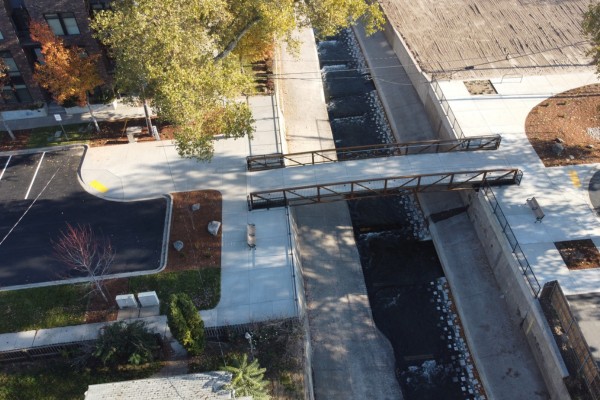
Mill Creek Passage – 5th Ave Bridge
The Mill Creek flood control channel presents depth and velocity barriers for summer steelhead, spring chinook, and bull trout. A support pier in the channel for an over 100-year old bridge at 5th Avenue created an additional hydraulic barrier. Several projects since 2011 have incrementally improved passage in the two-mile
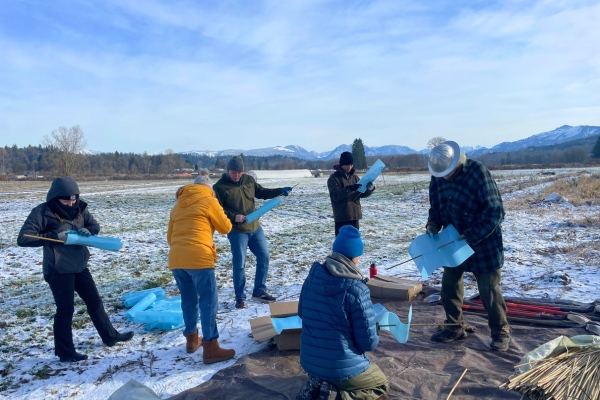
Anderson’s Bambooland Riparian Restoration
Anderson’s Bambooland Riparian Restoration project restored 1,850 feet along the right bank of the Skykomish River, establishing a 150-foot-wide riparian buffer that encompasses 6.2 acres. This initiative aims to address water quality impairments and enhance salmon habitat by controlling invasive vegetation and installing native plants. Through the combined efforts of
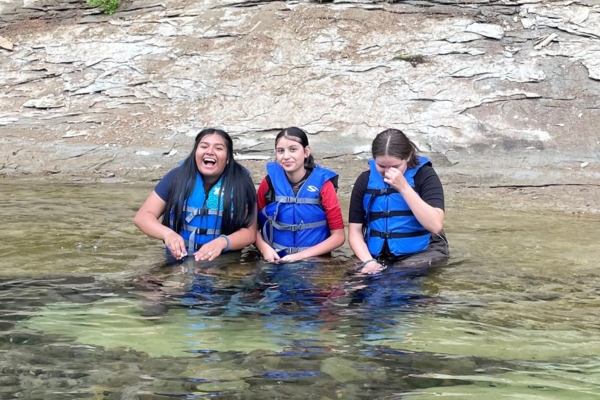
Careers in Conservation Summer Program
The Careers in Conservation Summer Program is building pathways for the next generation of environmental stewards. Developed by Mid-Columbia Fisheries and hosted by the Yakima Valley Technical Skills Center, in 2025 the program welcomed 33 students from 5 school districts in Central Washington. Guided by teachers Robin Driver and Robert
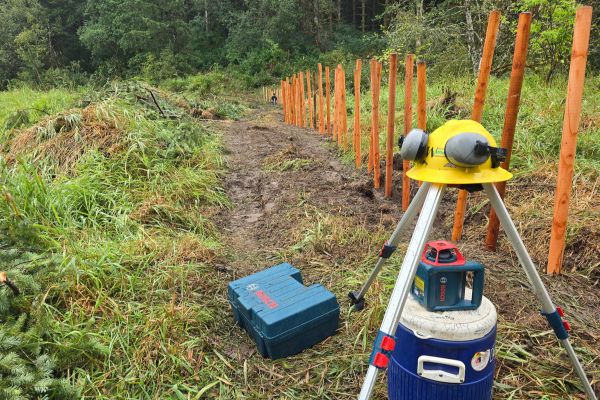
Upper Mason CK Riparian and Floodplain Enhancement
LCFEG is implementing a design and restoration LTPBR project on Mason Creek, a tributary of the East Fork Lewis River in Clark County, drawing on lessons from the Asotin Creek and Bridge Creek IMWs. To date, we have restored 1.1 miles of the planned 2.5 miles of aquatic habitat and
Rue Creek Riparian Habitat Restoration
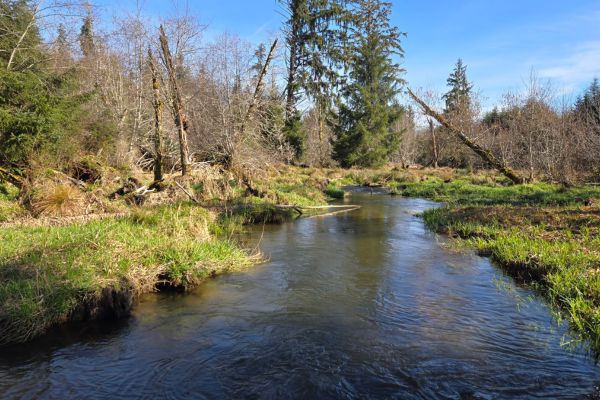
The Rue Creek riparian project seeks to restore the riparian habitat along three forks of Rue creek, with a total of 48 acres restored. Total Project Site: 3.98 mi streambanks 96.4 site acreage with approximately 50% of acreage planted Remaining 50% already contains plants or is not suitable for growth
Spawner Survey Monitoring Program
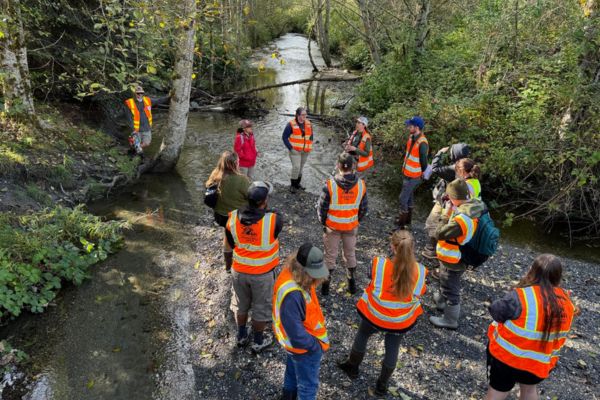
The spawner survey program is a volunteer program coordinated by the annual Washington Service Corps (WSC) AmeriCorps Restoration Associate serving at Skagit Fisheries, with help from other staff, interns, and Washington Conservation Corps AmeriCorps members. During the 2024-2025 season, 50 volunteers have gone out weekly to survey 23 streams in
Griggs Creek FB Removal & Habitat Restoration
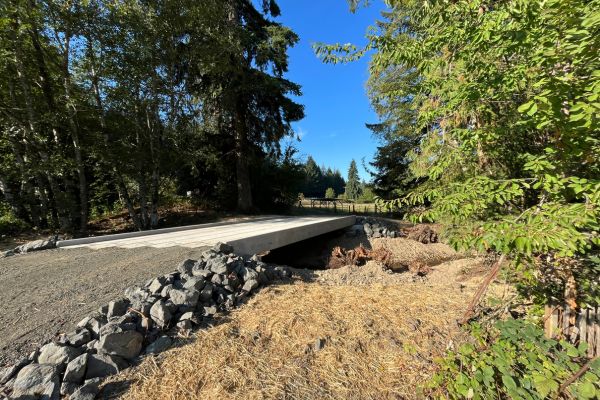
This fish barrier removal a habitat restoration project on private property along Griggs Creek, a tributary of Schneider Creek (WRIA 14, Thurston County), removed a 0% passable culvert, and restored the downstream habitat by repairing a 2.5’ impassable hydraulic drop and regarding the reach to be accessible by chum salmon.
Recent Comments